


[[ data.name ]]
[[ data.ticker ]]
[[ data.price ]] [[ data.change ]] ([[ data.changePercent ]]%)
Low: [[ data.low ]]
High: [[ data.high ]]
Overview
Related Markets
Trading Insights
Overview
Related Markets
Trading Insights
What is Aluminium and Why It Matters
Aluminium is a widely used industrial commodity essential to sectors such as construction, transportation, packaging, and electronics. Its lightweight nature, durability, and corrosion resistance make it a critical material in global manufacturing and infrastructure.
The aluminium price reflects broader economic conditions. Because it is heavily tied to industrial activity, its price tends to rise during periods of economic expansion and fall when growth slows. This cyclical behaviour means aluminium is often considered an important asset for some traders monitoring global demand trends.
Market Overview
Aluminium is primarily traded on major commodity exchanges such as the London Metal Exchange, where it is quoted in US dollars per metric ton.
Key characteristics of the aluminium market include:
- Global pricing benchmark based on exchange trading
- High liquidity due to industrial demand
- Strong participation from manufacturers, institutions, and speculators
- Price transparency through futures and spot markets
Participants in the aluminium market include:
- Industrial producers and manufacturers
- Commodity trading firms and hedge funds
- Governments and infrastructure planners
- Retail traders using CFDs
What Moves the Aluminium Price
Several core factors drive aluminium price movements:
1. Global Economic Growth
Aluminium demand increases with industrial production, construction, and infrastructure development. Strong global growth typically supports higher prices.
2. Supply Chain Dynamics
Production disruptions, logistical bottlenecks, or geopolitical tensions can tighten supply and push prices higher.
3. Inventory Levels
Global stock levels act as a buffer between supply and demand. High inventories often pressure prices, while shortages support upward moves.
4. US Dollar Strength
Because aluminium is priced in USD, a stronger dollar can reduce demand from non-dollar economies and weigh on prices.
5. Energy Costs
Aluminium production is energy-intensive. Rising electricity or fuel costs can increase production expenses and influence price levels.
6. China’s Market Influence
As the largest producer and consumer, China plays a central role. Changes in policy, output, or demand can significantly shift global pricing.
Factors Affecting Aluminium Price
A deeper look at structural drivers:
- Supply and demand balance
- Mining output (bauxite availability)
- Smelting capacity and production levels
- Macroeconomic indicators
- Manufacturing data (PMIs)
- Infrastructure spending
- Industrial production
- Energy markets
- Electricity costs
- Oil and gas price trends
- Currency movements
- USD exchange rate fluctuations
- Geopolitical developments
- Trade restrictions
- Sanctions or regional instability
- Environmental policies
- Emissions regulations
- Sustainability initiatives affecting production costs
Understanding Aluminium Price Charts
Aluminium price charts are essential tools for analysing market behaviour. They display price movements over time, often used by traders to identify trends and potential entry or exit points.
How to Read Aluminium Price Charts
Key elements include:
- Price data – historical aluminium price movements
- Timeframe – intraday to long-term trends
- Volume – confirms the strength of price moves
- Moving averages – identify trends
- Support and resistance levels – key trading zones
- Technical indicators – such as RSI and MACD for momentum analysis
Types of Aluminium Charts
- Line charts – simple trend overview
- Bar charts – open, high, low, close data
- Candlestick charts – visual price behaviour and sentiment
- Point & figure charts – focus on price movements
- Renko charts – filter out market noise
Trading Aluminium with CFDs
Aluminium CFDs allow traders to speculate on price movements without owning the physical metal.
Key features:
- Ability to go long or short
- Use of leverage to gain exposure
- Access to global commodity markets
CFDs are commonly used for:
- Short-term trading based on price volatility
- Hedging exposure to physical aluminium
Industrial Metals Correlation
Aluminium is part of the base metals complex and often moves alongside:
- Copper – closely tied to construction and electrical demand
- Zinc – used in galvanising steel
- Nickel – linked to stainless steel and batteries
- Lead – used in batteries and industrial applications
These metals tend to respond to similar macroeconomic drivers, especially global growth.
Precious Metals Relationship
- Gold – often moves inversely as a safe-haven asset
- Silver – combines industrial and investment demand
Aluminium strength can indicate economic expansion, which may reduce safe-haven demand.
Energy Markets Influence
Energy plays a critical role in aluminium production:
Rising energy costs can increase aluminium production costs and influence price trends.
Broader Commodity Market
Aluminium is interconnected with:
- Steel and iron ore (construction demand)
- Industrial supply chains
- Global trade flows
Its price often reflects overall commodity market sentiment.
How Traders Analyse Aluminium CFDs
Traders typically combine:
Technical Analysis
- Trend identification using moving averages
- Momentum indicators like RSI and MACD
- Support and resistance levels for timing trades
Fundamental Analysis
- Monitoring global economic data
- Tracking supply disruptions and inventory levels
- Following energy prices and currency trends
Common Trading Strategies
- Trend following – trading in the direction of established trends
- Range trading – buying support and selling resistance
- Breakout trading – entering positions on strong price moves
- Macro-driven trading – reacting to economic data and global events
Risk Considerations
- Commodity markets can be highly volatile
- Leverage in CFDs can amplify losses
- External shocks (geopolitics, energy prices) can cause sudden moves
- Overreliance on technical signals may lead to false entries
Risk management tools such as stop-loss orders are commonly used to control downside risk.
Portfolio Use Cases
Aluminium can be used in a trading portfolio for:
- Exposure to global industrial growth
- Diversification within commodities
- Hedging against inflation or supply shocks
- Short-term trading opportunities driven by macro events
Conclusion
Aluminium is a key industrial commodity with price movements driven by global growth, supply dynamics, and energy costs. Its strong connection to economic cycles means it is often analysed as a valuable asset for some traders using both fundamental and technical analysis.
Understanding aluminium price charts, market drivers, and related assets can help traders make more informed decisions when trading aluminium CFDs.
| Swap long | [[ data.swapLong ]] points |
|---|---|
| Swap short | [[ data.swapShort ]] points |
| Spread min | [[ data.stats.minSpread ]] |
| Spread avg | [[ data.stats.avgSpread ]] |
| Min contract size | [[ data.minVolume ]] |
| Min step size | [[ data.stepVolume ]] |
| Commission and Swap | Commission and Swap |
| Leverage | Leverage |
| Trading Hours | Trading Hours |
* The spreads provided are a reflection of the time-weighted average. Though Skilling attempts to provide competitive spreads during all trading hours, clients should note that these may vary and are susceptible to underlying market conditions. The above is provided for indicative purposes only. Clients are advised to check important news announcements on our Economic Calendar, which may result in the widening of spreads, amongst other instances.
The above spreads are applicable under normal trading conditions. Skilling has the right to amend the above spreads according to market conditions as per the 'Terms and Conditions'.
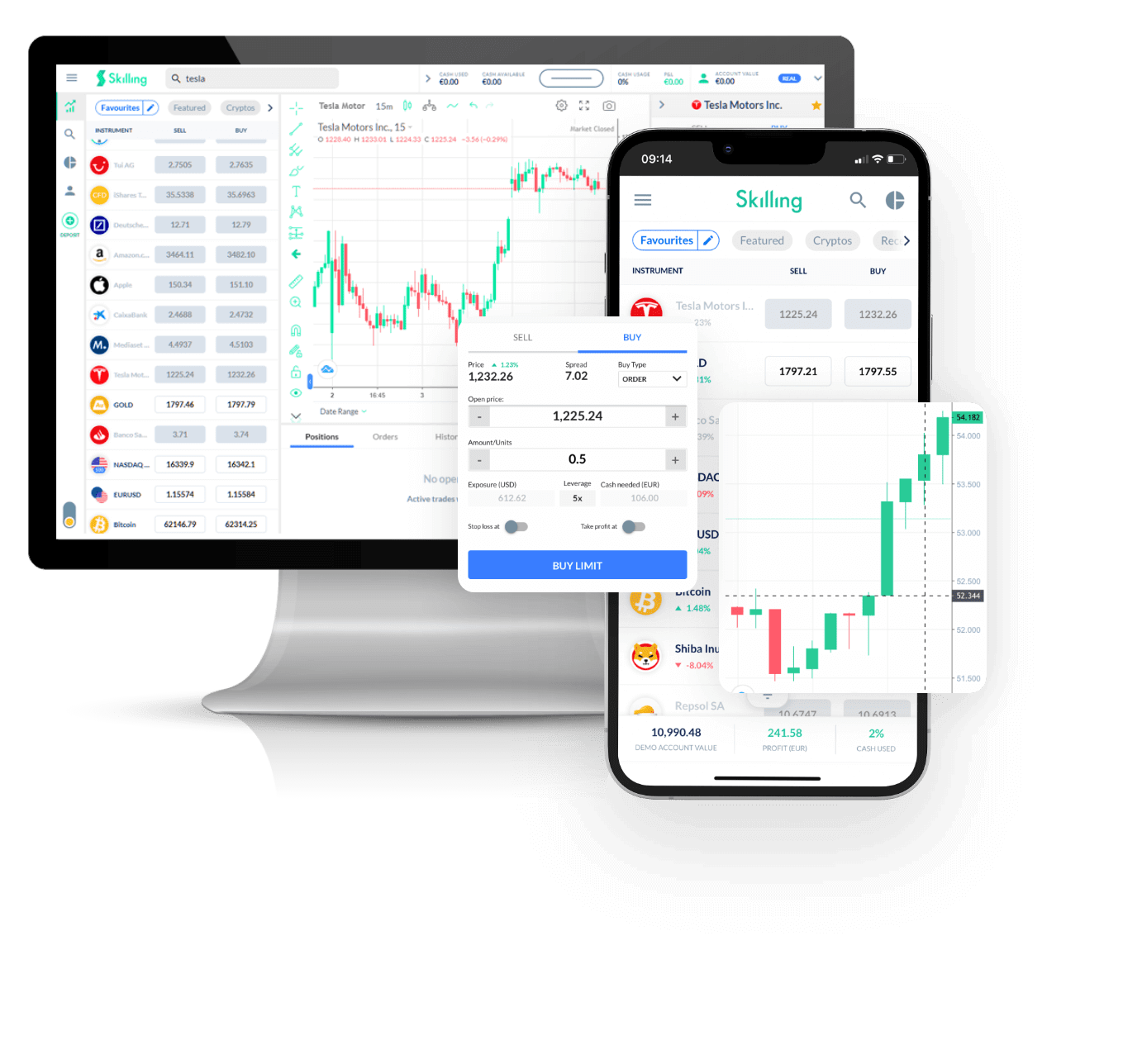
Trade [[data.name]] CFD with Skilling
Take a view on the commodity sector! Diversify with a single position.
- Trade 24/5
- Tight spreads
- Average Execution at 5ms
- Easy to use platform
FAQs
How does trading aluminium CFDs work?
Trading aluminium CFDs involves speculating on the price movements of aluminium without owning the physical metal. A CFD (contract for difference) is a derivative instrument that allows traders to profit from the difference in the price of aluminium between the opening and closing of the trade.
Traders could go long (buy) if they anticipate the price will rise or go short (sell) if they believe it will fall. When trading aluminium CFDs, traders enter into a contract with a broker and make a profit or loss based on the difference between the entry and exit prices. It's important to note that CFD trading carries risks, including the potential for losses exceeding the initial investment.
What factors affect the price of Aluminium?
Several factors could impact the price of aluminium. Firstly, global supply and demand dynamics play a crucial role. If the demand for aluminium exceeds the available supply, prices tend to rise, and vice versa. Economic conditions, such as GDP growth, industrial production, and construction activity, also influence the prices. Additionally, geopolitical events like trade disputes or political instability could affect prices by disrupting supply chains or imposing tariffs.
Energy costs are also significant as aluminium production requires substantial energy inputs. Currency exchange rates also play a role since aluminium is priced in USD, fluctuations in currencies could impact its cost. Lastly, government policies and regulations regarding production, trade, or environmental standards could influence its prices.
How do I analyze the trend of aluminium prices?
To analyze the trend of aluminium prices, several factors should be considered. Firstly, historical price data may be examined using charts and graphs to identify patterns and trends over time. Technical analysis tools such as moving averages, support and resistance levels, and momentum indicators could also help identify potential price movements.
Additionally, staying informed about market news, industry reports, and forecasts from reputable sources could provide valuable insights into supply and demand dynamics and macroeconomic factors affecting its prices. It's important to consider both fundamental analysis, which examines factors like global economic conditions and industry trends, and technical analysis when analyzing the trend of the prices.
Why Trade [[data.name]]
Make the most of price fluctuations - no matter what direction the price swings and without the restrictions that come with owning the underlying asset.
CFD
Actual Commodities

Capitalise on rising prices (go long)


Capitalise on falling prices (go short)

Trade with leverage

Trade on volatility

No commissions
Just low spreads

Manage risk with in-platform tools
Ability to set take profit and stop loss levels