


[[ data.name ]]
[[ data.ticker ]]
[[ data.price ]] [[ data.change ]] ([[ data.changePercent ]]%)
Low: [[ data.low ]]
High: [[ data.high ]]
Overview
Related Markets
Trading Insights
Overview
Related Markets
Trading Insights
The SPX 500, commonly known as the S&P 500, is one of the most widely followed stock market indices globally. It tracks the performance of 500 large-cap US companies across sectors such as technology, healthcare, finance, and consumer goods. As a benchmark for the US equity market, it reflects overall economic strength and investor sentiment.
The SPX 500 value is influenced by corporate earnings, macroeconomic data, and global financial conditions. Traders and investors typically monitor its chart closely to identify trends, volatility patterns, and potential trading opportunities.
Market Overview
How the SPX 500 is structured The SPX 500 is a capitalisation-weighted index, meaning companies with larger market values have a greater impact on the index level. Major constituents include companies like Apple Inc., Microsoft Corporation, and Amazon.com Inc..
Where it is traded
The index itself is not directly tradable, but it is widely accessed through derivatives such as CFDs, futures, and ETFs. It is based on stocks listed on major exchanges like the NYSE and NASDAQ.
Who trades the SPX 500
Participants include:
- Institutional investors (hedge funds, pension funds)
- Retail traders
- Asset managers
- Algorithmic trading firms
What Moves the SPX 500 Value
Several key factors influence the SPX 500 level:
- Corporate earnings: Strong earnings reports from major companies tend to push the index higher
- Interest rates: Decisions by the Federal Reserve impact liquidity and valuations
- Economic data: GDP growth, inflation, and employment figures affect market expectations
- Market sentiment: Risk appetite and investor confidence drive short-term movements
- Global events: Geopolitical tensions and financial crises can cause volatility
- Sector performance: Heavyweight sectors like technology significantly influence the index
Factors Affecting SPX 500 Value
Macroeconomic conditions
- Inflation trends and central bank policy
- Economic growth forecasts
- Fiscal stimulus or tightening
Company-level performance
- Earnings season results
- Revenue growth and margins
- Forward guidance
Supply and demand dynamics
- Institutional fund flows
- ETF inflows/outflows
- Passive investing trends
Interest rates and liquidity
- Bond yields affecting equity valuations
- Monetary policy changes
Global market correlations
- Movements in other indices
- Currency fluctuations, especially the strength of the USD
Trading the SPX 500 with CFDs
Trading the SPX 500 using CFDs allows traders to speculate on changes in the index value and track its price movements without owning the underlying stocks.
Key features include:
- Ability to go long or short depending on market direction
- Use of leverage, which increases both potential gains and risks
- Exposure to broad market performance through a single instrument
- Fast execution with potential slippage during volatile periods
CFD trading is often used to follow market trends for short-term strategies, hedging, or gaining diversified exposure to the US equity market.
Related Indices
- Dow Jones Industrial Average (US30) – Tracks 30 major US companies
- US 100 – Focuses on technology and growth stocks
- Russell 2000 – Represents smaller US companies
Sector Relationships
The SPX 500 is heavily influenced by key sectors:
- Technology (largest weighting)
- Financials
- Healthcare
- Consumer discretionary
Movements in these sectors often drive overall index trends.
Correlated Assets
- US Dollar (USD): A strong USD can impact multinational earnings
- US Treasury yields: Higher yields may pressure equity valuations
- Commodities: Oil and gold can reflect macroeconomic sentiment
How Traders Analyse the SPX 500
Traders typically combine technical and fundamental analysis:
Technical analysis
- Trendlines and support/resistance levels
- Moving averages (e.g. 50-day, 200-day)
- Indicators such as RSI and MACD
- Chart patterns (breakouts, reversals)
Fundamental analysis
- Earnings reports from major index constituents
- Economic indicators (CPI, NFP, GDP)
- Central bank policy updates
Risk Considerations
- Volatility spikes during economic releases
- Leverage risk when trading CFDs
- Market gaps outside trading hours
- Correlation risk with global markets
Portfolio Use Cases
- Diversified exposure to US equities
- Hedging against individual stock positions
- Short-term trading opportunities based on macro trends
Conclusion
The SPX 500 remains a central benchmark for global financial markets. Its value reflects a combination of corporate performance, economic conditions, and investor sentiment. For traders, it typically offers exposure to liquidity, volatility, and broad market exposure, making it a key instrument for both short-term strategies and portfolio positioning.
| Swap long | [[ data.swapLong ]] points |
|---|---|
| Swap short | [[ data.swapShort ]] points |
| Spread min | [[ data.stats.minSpread ]] |
| Spread avg | [[ data.stats.avgSpread ]] |
| Min contract size | [[ data.minVolume ]] |
| Min step size | [[ data.stepVolume ]] |
| Commission and Swap | Commission and Swap |
| Leverage | Leverage |
| Trading Hours | Trading Hours |
* The spreads provided are a reflection of the time-weighted average. Though Skilling attempts to provide competitive spreads during all trading hours, clients should note that these may vary and are susceptible to underlying market conditions. The above is provided for indicative purposes only. Clients are advised to check important news announcements on our Economic Calendar, which may result in the widening of spreads, amongst other instances.
The above spreads are applicable under normal trading conditions. Skilling has the right to amend the above spreads according to market conditions as per the 'Terms and Conditions'.
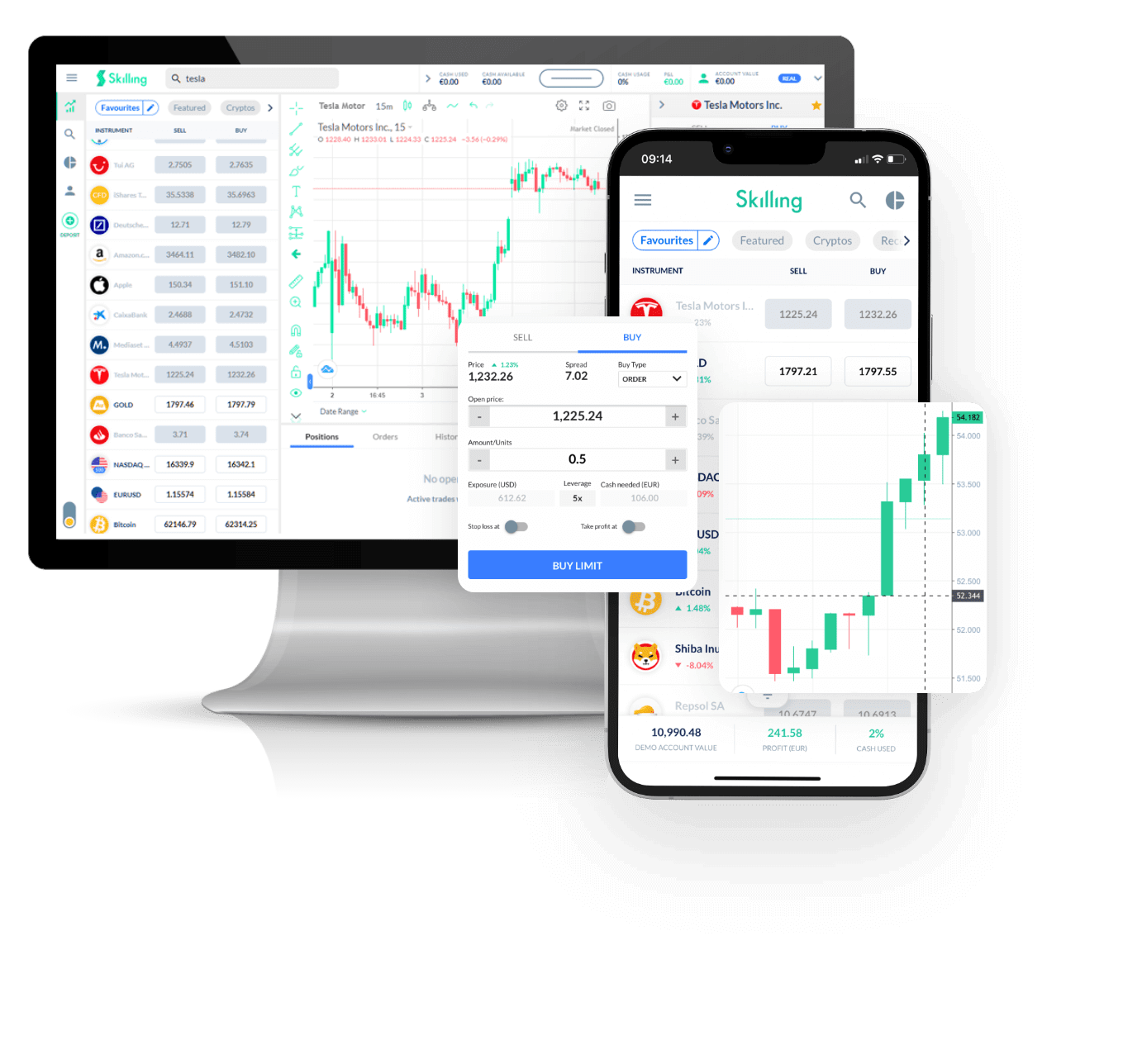
Trade [[data.name]] CFD with Skilling
All major indices at industry-leading pricing.
Gain exposure to global markets via lower-risk, stock market indices.
- Trade 24/5
- Minimum margin requirements
- The tightest spreads
- Easy to use platform
FAQs
How is the SPX500 Index calculated?
The SPX500 Index is calculated through the average of the stock prices of 500 large-cap US companies, and it's weighted by market capitalization. This means that stocks with higher market capitalizations will have more influence on the index than those with lower market capitalizations. The prices used to calculate this index are taken from real-time trading data and then calculated on a daily basis. The index is also adjusted for changes in stock splits, dividends and other corporate actions so you can be sure that the index accurately reflects the performance of the underlying stocks.
When it comes to trading, this is one of the most important indices to watch, as it can give you an idea of how the US stock markets are doing. By watching the SPX500 Index, you'll be able to make more informed decisions when it comes to trading. So if you're a trader, this is one index that should always be on your radar.
What is the best time to trade SPX500?
One of the best times to trade the SPX500 is during the opening hours of 9:30am EST. This is when the majority of traders are active, which means that it's more likely for price movements to occur as a result of market momentum rather than speculative trading. In addition, this time period generally sees the highest liquidity, which can make it easier to enter and exit trades quickly without facing too much slippage.
Is SPX500 same as SPX500?
The SPX500, which trades under the ticker symbol SPX500, is a stock index that tracks the performance of the top 500 publicly traded companies in the United States. It is a market-weighted index, meaning it takes into account companies’ market capitalizations and not just their share prices.
Why Trade [[data.name]]
Make the most of price fluctuations - no matter what direction the price swings and without capital restrictions that come with buying the underlying asset.
CFDs
Indices

Capitalise on rising prices (go long)


Capitalise on falling prices (go short)

Trade with leverage
Hold larger positions than the cash you have at your disposal

Trade on volatility
No need to own the asset

No commissions
Just low spreads

Manage risk with in-platform tools
Ability to set take profit and stop loss levels