


What is Forex Trading?

The foreign exchange market, known as forex or FX, is a global, decentralised market where currencies are bought and sold. It is the largest financial market in the world by trading volume.
Market participants, including banks, companies, investors and individual traders, use the forex market for a range of purposes, such as international payments, hedging currency risk and speculation.
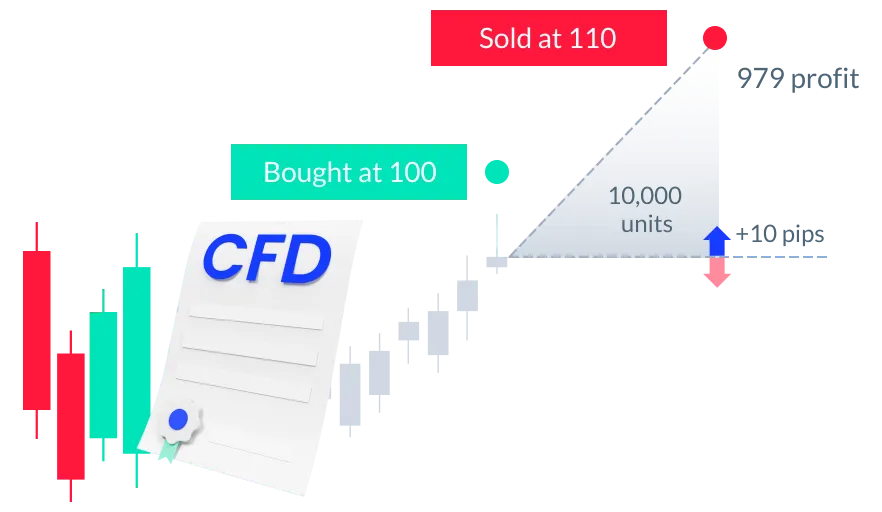
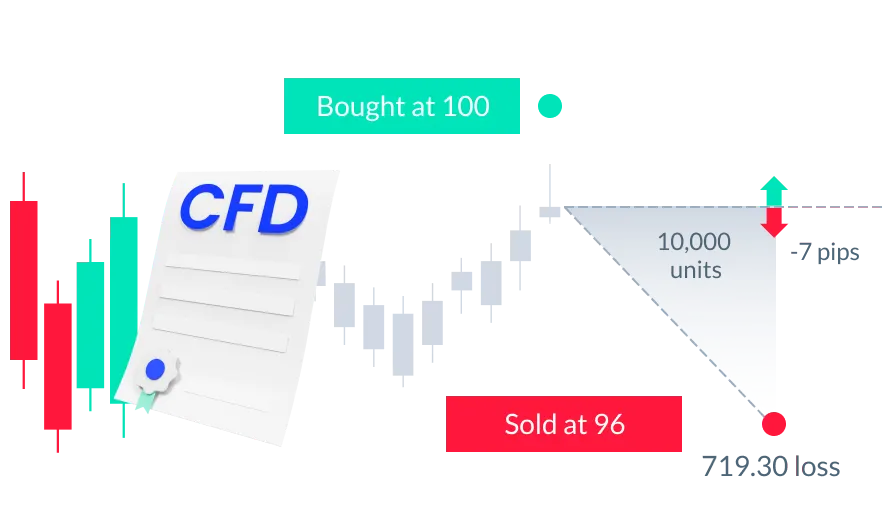
Contracts for difference (CFDs) let you trade on whether an exchange rate will rise or fall, without owning the currencies themselves. You open a buy position if you expect the price to rise, or a sell position if you expect it to fall.

How does
Forex Trading work?
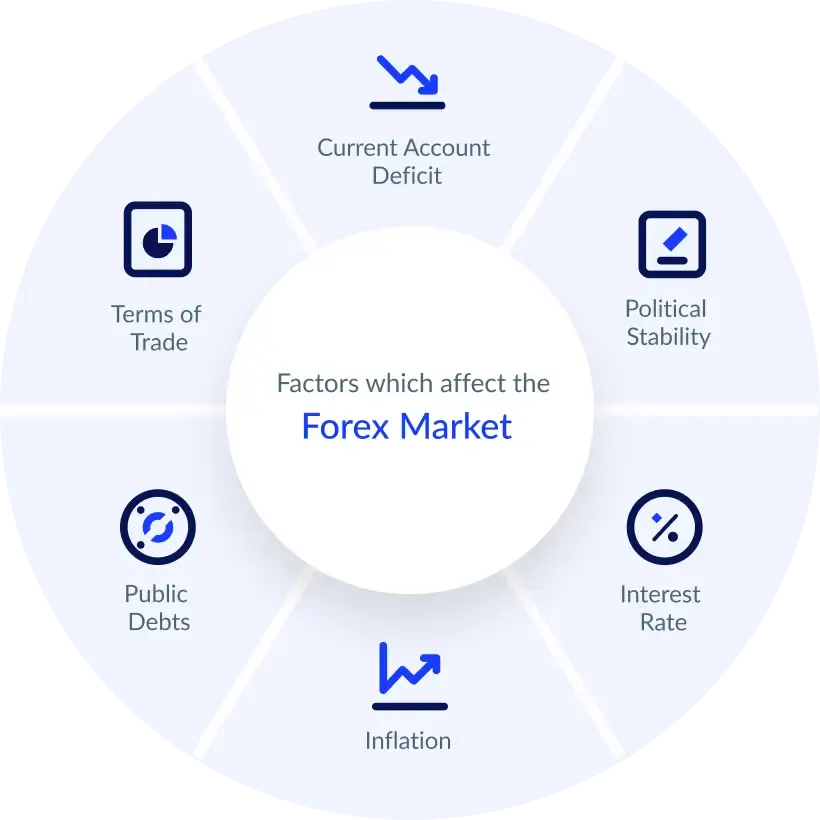
Exchange rates move as currencies are bought and sold around the world. Prices can be affected by factors such as interest rate decisions, inflation, economic data, political events and trade flows. Some currency pairs can be volatile, and prices can move quickly.
When can I trade Forex?
The forex market is open 24 hours a day, five days a week, from Sunday evening to Friday evening. Trading hours for forex CFDs can vary by instrument and may change on public holidays and when daylight saving time starts or ends. See Trading Hours for the current schedule.
Because prices can move at any time while the market is open, it is important to monitor your positions and consider using risk management tools, such as stop loss orders. A stop loss does not guarantee that your position will be closed at the exact price you set, especially when prices move quickly.
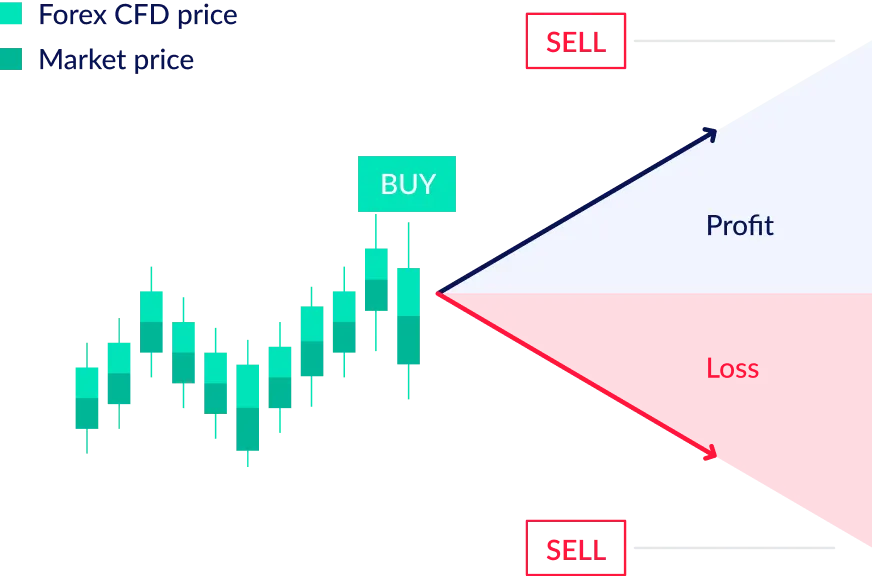
Skilling offers CFDs on 70+ currency pairs, including major, minor and exotic pairs. The number of pairs available depends on the platform. With CFDs, you can open a buy (long) position if you expect the price of a currency pair to rise, or a sell (short) position if you expect it to fall. If the price moves against your position, you will make a loss.
What are the costs of CFD trading?
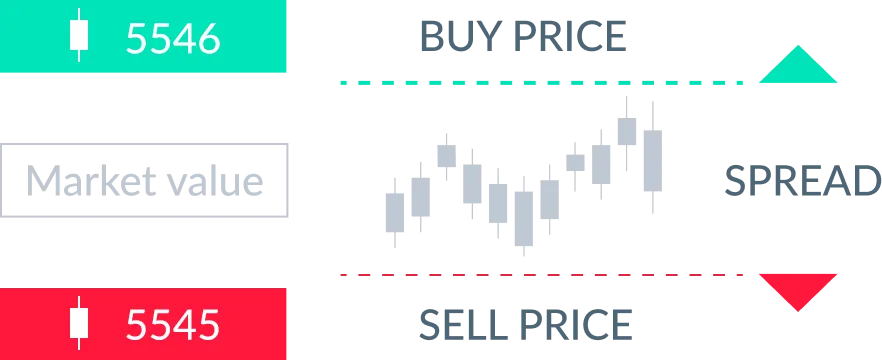
The main cost of trading forex CFDs is the spread: the difference between the buy price and the sell price. You open a buy position at the buy price and close it at the sell price, and the other way round for a sell position. This means the price needs to move in your favour by at least the spread before a position breaks even. Spreads exist in all financial markets, and the spread a broker quotes can include a markup.
If you keep a position open overnight, overnight interest is charged or paid on it. This is also called a swap.
Your account type decides how you pay for forex trading. On a Standard account there is no commission, and the cost is included in the spread. A Premium account has tighter spreads, and a commission is charged based on the volume you trade. Other costs, such as currency conversion fees, may apply.
Outcome A: a profitable CFD trade
Outcome B: a losing CFD trade

Trade on both rising & falling markets
You can open long or short positions. A position will make a loss if the market moves against it.

Leveraged trading
You need less capital to open a position than to buy the underlying currency. Leverage increases losses as well as gains.

Regulated broker
Skilling Ltd is regulated by the Cyprus Securities and Exchange Commission (CySEC) under CIF licence No. 357/18. Client funds are held in segregated accounts.

Order execution
Average execution speed of 0.05s. Execution speed and price can vary depending on market conditions.

Range of instruments
Trade forex alongside 1,200+ instruments, including stocks, indices, commodities and crypto, on web, tablet and mobile. Available instruments and trading hours vary by platform and market.

Hedging
If you have exposure to a currency, you can open a CFD position in the opposite direction to offset part of the risk from adverse price movements. Hedging can reduce losses but does not remove risk, and hedging positions still incur trading costs.
Top 4 Major currency pairs

Who owns Forex and where is it located?


No single organisation owns or controls the forex market. It is a decentralised market where currencies are traded between participants around the world, such as banks, companies, investors and individual traders.
What are the working hours of the Forex market?
The forex market generally operates 24 hours a day, five days a week, from Sunday evening to Friday evening. Trading hours for forex CFDs may vary depending on the instrument, daylight saving changes and public holidays. Check Skilling's current trading hours for the latest schedule.
What are long and short positions?
A long position is a buy position. It makes a profit if the price of the currency pair rises and a loss if it falls. A short position is a sell position. It makes a profit if the price falls and a loss if it rises.
What is the best Forex trading strategy?
There is no single strategy that works in all market conditions, and no strategy can guarantee profits. Traders often develop and test their own approach and use risk management tools to help manage potential losses. Click here to find out more about forex trading strategy.
Can I lose more than I invest in Forex?
Forex CFDs are traded on leverage, so losses can build quickly. Negative balance protection is provided to retail clients, so you cannot lose more than your account balance.
What are the trading costs?
The main cost is the spread, the difference between the buy and sell price. Standard accounts have no commission on forex, while Premium accounts have tighter spreads and a commission based on trading volume. If you keep a position open overnight, overnight interest (a swap) is charged or paid. See Commissions and swap charges for full details.
How can I start trading Forex?
Open an account here, complete verification and fund your account.