


[[ data.name ]]
[[ data.ticker ]]
[[ data.price ]] [[ data.change ]] ([[ data.changePercent ]]%)
Low: [[ data.low ]]
High: [[ data.high ]]
Platinum: Unlocking the Value of a Rare and Versatile Metal
Platinum, with its rarity and versatility, holds an important role in the global financial and industrial markets. As a key material for industries ranging from automotive to jewelry and electronics, its unique properties make it highly valued. By using tools like a platinum price chart, traders can track trends and make well-informed decisions when developing a platinum trading strategy. Explore how the platinum market works, identify key trends, highlight influencing factors, and discuss how its price movements affect related commodities.
Platinum Price Financial Market Overview
Platinum operates in a multifaceted global financial ecosystem, shaped by macroeconomic trends, industrial needs, and geopolitical factors. It is traded on platforms such as NYMEX (New York), the London Platinum and Palladium Market (LPPM), and the Osaka Exchange in Japan, with its value quoted in U.S. dollars per troy ounce.
You can follow the current platinum price in the live chart above. For traders looking to trade platinum CFDs, historical price data can help put current price levels into context.
Platinum's price history shows how the metal has behaved across different economic cycles and periods of volatility. This understanding can help traders build platinum trading strategies.
Key Platinum Market Trends
Several key trends shape the platinum market:
- Inflation: During periods of rising inflation, some investors turn to precious metals, including platinum, to help protect against declining purchasing power. Traders use platinum price charts to compare price movements with inflation data.
- Industrial Applications: Platinum's role in catalytic converters, electronics, and medical technologies is a major source of demand. This dual-purpose demand underscores its importance as both a precious metal and a critical industrial commodity.
- Geopolitical Uncertainty: Geopolitical conflicts and trade disputes can increase market volatility. Because a large share of platinum is mined in a small number of countries, mainly South Africa and Russia, disruptions in these regions can affect supply and prices.
- Currency Dynamics: Changes in the U.S. dollar affect international demand. A weaker dollar tends to make platinum more affordable for international buyers, while a stronger dollar can weigh on demand.
Factors Influencing Platinum Price and Market Behavior
Understanding the drivers behind platinum's value is essential for navigating its dynamic market. Key factors include:
- Supply and Demand - Limited mining output creates an inelastic supply, while demand fluctuates based on industrial applications, jewelry purchases, and investment interest.
- Economic Indicators - Indicators such as GDP growth, manufacturing activity, and employment rates influence market sentiment and platinum pricing. Economic expansion often correlates with increased industrial demand for the metal.
- Interest Rates - Higher interest rates raise the opportunity cost of holding non-yielding assets like platinum, often leading to price declines. Lower rates tend to have the opposite effect.
- Inflationary Pressures - Rising inflation can attract investors to precious metals, including platinum, as a way to preserve value.
- Currency Strength - A stronger U.S. dollar reduces global affordability of platinum, while a weaker dollar boosts demand. Using historical data and platinum price charts, traders can assess these currency-driven shifts.
- Geopolitical Risk - Political instability or conflict in major producing countries can disrupt supply and increase price volatility. Platinum's price history shows how the market has responded to similar past events.
- Market Speculation - Speculative trading adds volatility to platinum's price, particularly in the short term.
Commodities Impacted by Platinum's Price Movements
Platinum's price movements are linked to other commodities, particularly in the precious metals space:
- Gold: Platinum and gold often move in the same direction, driven by similar economic and geopolitical factors. Comparing platinum price charts with gold price trends can help traders understand how the two markets relate.
- Palladium: Frequently used interchangeably with platinum in catalytic converters, palladium's price can move with or against platinum. Manufacturers' preference shifts between the two metals, depending on their relative prices and availability.
- Silver: As both a precious and industrial metal, silver often follows broader precious metals trends, including platinum. Traders often follow the silver price alongside platinum.
- Mining Stocks: Companies engaged in mining platinum are deeply impacted by its price. These stocks often experience volatility that mirrors platinum's market behavior.
By looking at data across related commodities, traders can better understand how platinum fits into the wider precious metals market.
Understanding the Platinum Market with Data-Driven Insights
Platinum's dual role as a precious metal and industrial asset gives it a unique place in the global financial system. For those looking to trade platinum or explore related commodities, a clear understanding of market trends and influencing factors is important. Historical price data and platinum price charts can help traders make more informed decisions.
Recognizing platinum's links with other commodities and the wider economy can help you build a more informed approach to this market.
| Swap long | [[ data.swapLong ]] points |
|---|---|
| Swap short | [[ data.swapShort ]] points |
| Spread min | [[ data.stats.minSpread ]] |
| Spread avg | [[ data.stats.avgSpread ]] |
| Min contract size | [[ data.minVolume ]] |
| Min step size | [[ data.stepVolume ]] |
| Commission and Swap | Commission and Swap |
| Leverage | Leverage |
| Trading Hours | Trading Hours |
* The spreads provided are a reflection of the time-weighted average. Though Skilling attempts to provide competitive spreads during all trading hours, clients should note that these may vary and are susceptible to underlying market conditions. The above is provided for indicative purposes only. Clients are advised to check important news announcements on our Economic Calendar, which may result in the widening of spreads, amongst other instances.
The above spreads are applicable under normal trading conditions. Skilling has the right to amend the above spreads according to market conditions as per the 'Terms and Conditions'.
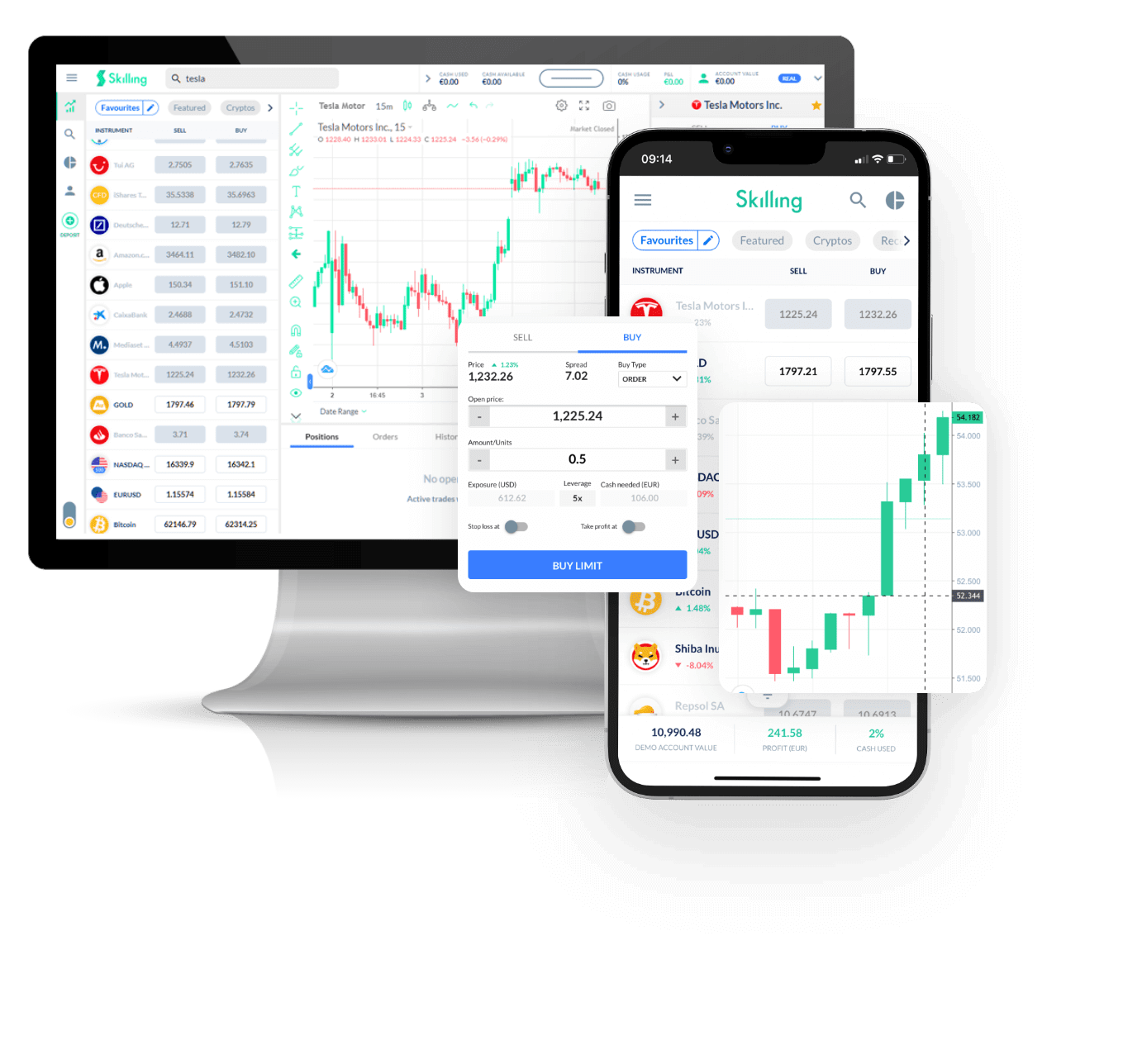
Trade [[data.name]] CFD with Skilling
Take a view on the commodity sector! Diversify with a single position.
- Trade 24/5
- Tight spreads
- Average Execution at 5ms
- Easy to use platform
FAQs
What affects Platinum prices?
Platinum prices can be greatly affected by different market events. When it comes to supply and demand dynamics, increased industrial use of the metal or restrictions on its production, such as those placed in South Africa where most platinum is mined, can drive up prices. The introduction of new technologies that make platinum more accessible to the public may also raise its price.
On the other hand, if global economic growth slows or investors become less interested in precious metals, platinum prices may drop accordingly. It's important to keep an eye on current market events and news stories, as they can indicate how platinum prices are likely to move. By closely monitoring these developments and understanding their implications, traders can stay ahead of the game and make informed decisions regarding investing in platinum.
How to trade Platinum CFD
It's important to understand the risks that come with trading Platinum CFDs. As a precious metal, its price can be subject to manipulation by large financial institutions or governments – so, it's important to keep an eye on how economic and political events may affect Platinum prices. Additionally, there is always the risk of loss when investing in CFDs due to leverage and the possibility of market conditions changing unexpectedly.
For traders looking to benefit from Platinum CFD trading, it's important to have a good understanding of how the markets work and the risks associated with them. By having this knowledge, you'll be better equipped to make informed decisions about when and how to invest in Platinum CFDs. With careful research and analysis, you should be able to maximize your returns while minimizing your risks. Good luck!
What are the other options for trading Platinum?
In addition to trading Platinum commodities, there are a few major miners who offer exposure to the metal. Vale SA is one of the largest diversified mining companies in the world and is a significant producer of Platinum ore. Hecla Mining is another option for traders looking for access to Platinum, as well as silver and gold production. Finally, Newmont Mining is a major producer of Platinum and has extensive operations around the world. Any of these miners could be an attractive way to gain exposure to the price movements of Platinum.
Why Trade [[data.name]]
Make the most of price fluctuations - no matter what direction the price swings and without the restrictions that come with owning the underlying asset.
CFD
Actual Commodities

Capitalise on rising prices (go long)


Capitalise on falling prices (go short)

Trade with leverage

Trade on volatility

No commissions
Just low spreads

Manage risk with in-platform tools
Ability to set take profit and stop loss levels