Markets don’t always rise. In fact, some of the most profitable trades in CFD-trading happen when markets fall. Traditional investing often focuses on buying low and selling high, but with CFDs, you can also sell high and buy low — this is called shorting. By taking advantage of downward movements, CFD-traders can profit even in bearish conditions.
In this article, we’ll explore how to benefit from falling markets, how shorting works in CFD-trading, and what risk management strategies you need to apply to stay protected.
What Is Shorting in CFD-Trading?
Shorting (or going short) means opening a CFD position that profits when the underlying asset’s price drops. Rather than buying and waiting for the price to rise, you sell a contract at the current market price and aim to buy it back at a lower price later.
Access 1 000+ global CFDs instruments.
Access a plethora of trading opportunities across the financial markets.

Example:
You short an index CFD at 5,000 points. The index falls to 4,800, and you close the trade — netting a 200-point gain.
Why Falling Markets Create Opportunity
- Panic selling and volatility can lead to sharp price drops
- News events, earnings misses, or economic data can trigger trends downward
- Short-term momentum in bear markets can be strong and fast
- CFDs give you access to this movement without owning the asset
How to Identify Bearish Setups
Look for:
- Lower highs and lower lows on charts
- Moving average crossovers signaling downtrends
- Bearish candlestick patterns (e.g., shooting star, bearish engulfing)
- Weak economic data or poor earnings reports
- Trendline breaks and failed support zones
These can all signal potential entry points for shorting.
Experience Skilling's award-winning platform
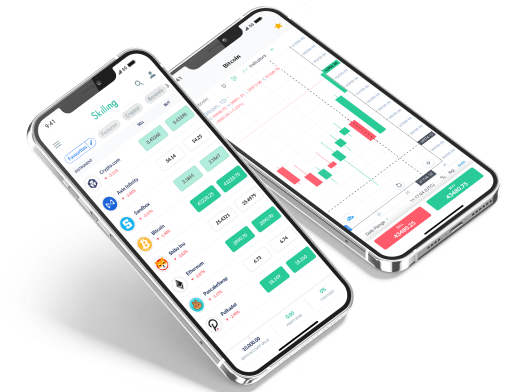
Try out any of Skilling’s trading platforms on the device of your choice across web, android or iOS.
Risk Management in Falling Markets
Shorting involves risk, just like going long. Price can spike unexpectedly against your position. Here’s how to protect yourself:
- Use tight stop-losses to limit losses if the trend reverses
- Never risk more than 1–2% of your trading capital on a single trade
- Don’t chase — wait for confirmation before entering
- Be aware of market catalysts (e.g., central bank statements, news releases)
Trends to Consider When Shorting CFDs
- Avoid shorting in extremely oversold conditions
- Combine technical and fundamental signals for better timing
- Keep trade sizes small during high volatility
- Watch your margin closely — sudden reversals can lead to fast losses
Why miss out on the commodities market's potential?
Discover the untapped opportunities in top traded commodities CFDs like gold, silver & oil.

Conclusion
Shorting allows CFD-traders to see opportunity where others see fear. With proper analysis and disciplined risk management, falling markets can become just as profitable as rising ones — if not more.